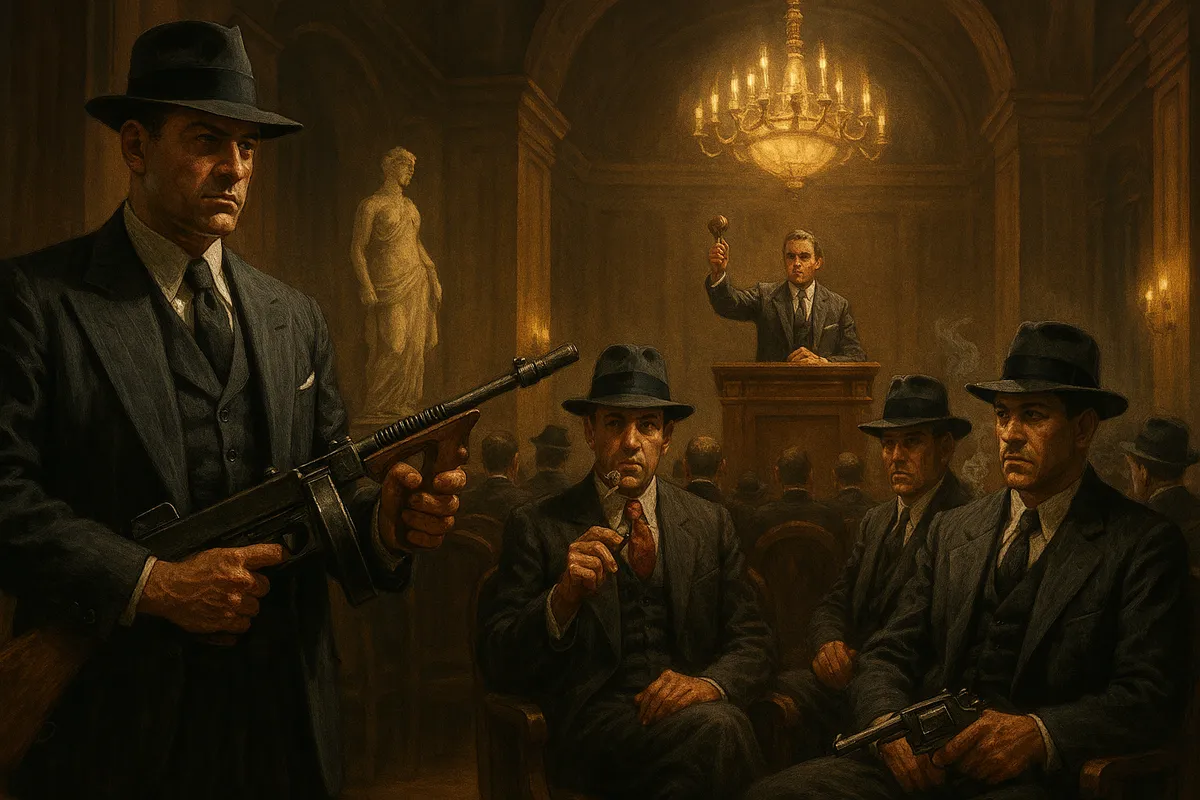
Not everything in the underworld has a fixed price. When players want to move big items between each other, they use the auction house — a player-run marketplace where sellers set the terms and buyers fight over the price. It is where rare cars change hands and fortunes are made on a single bid.
The auction house is the sophisticated cousin of the black market. Instead of haggling, you bid against other players for the items you want. This guide covers the six item types you can buy and sell, exactly how bidding and buyouts work, and the strategy behind moving cars, factories and credits for the best price.
What You Can Sell
The auction house supports six sellable item types, covering most of what the game's economy revolves around. From combat consumables to production assets, if it is valuable, you can probably auction it.
The six types are bullets, girls (better known as 'whores' in the game's underworld slang), cars, bullet factories, energy factories and credits. Between them they span every layer of the economy — ammunition for the soldiers, girls for the business, cars for the racers, and factories for the industrialists.
| Item Type | What It Is |
|---|---|
| Bullets | Ammunition for crimes, PvP and cop shooting |
| Girls (Whores) | Underworld business assets traded between players |
| Cars | Vehicles of every category, with condition data |
| Bullet Factories | International production licences |
| Energy Factories | Energy production assets for gangs |
| Credits | Premium currency sold between players |
Pro Tips
- Factory licences on auction are how players move production assets between countries.
- Credits trading lets paying players fund the market and grinders cash out.
How Bidding Works
Sellers list an item with two prices: a starting bid and a buyout price. Buyers can either bid against each other from the starting price, or skip the war and snap the item up instantly at the buyout. Every listing runs on a timer, and when the time expires the highest bidder wins.
The system protects bidders properly. If you are outbid, your money is refunded, and a full bid history is tracked so everyone can see the auction's progress. That transparency makes the auction house safe to use — you always know where you stand and you never lose money to a lost auction.
Timing matters as much as price. Listings that end during peak evening hours attract more last-second bids, while weekday-afternoon auctions can close quietly at the starting price. Sellers who study their audience — and buyers who snipe quiet listings — both come out ahead.
- Starting bid — the opening price set by the seller.
- Buyout price — pay it to win instantly, no waiting.
- Expiry timer — bids close after a set time.
- Highest bidder wins when the timer ends.
- Refunds — outbid bidders get their money back.
- Bid history — every bid is tracked and visible.
Pro Tips
- Use the buyout when an item is rare and you cannot afford to lose it — bidding wars can push the price past the buyout anyway.
- Watch the bid history to read how hot an item is before you jump in.
Cars and Condition
Cars are one of the most traded auction items, and they come with condition data attached. A pristine classic sells for a premium; a battered stolen wreck goes for scrap value. The condition is part of the listing, so serious buyers factor it into every bid.
Because cars span every category from low to exotic, the auction house is where the rarest vehicles surface. If you missed a car in the showroom or never had the luck to steal it, the auction is your second chance — for a price that the market decides.
Pro Tips
- Check the condition data before bidding — a bargain exotic in poor condition can be a trap.
- List cars during peak hours when collectors are online and bidding wars start.
- A well-kept car often resells for more later — holding a pristine classic can beat cashing out early.
Auction Strategy
The auction house rewards patience and timing. Sellers should start listings at a price that attracts early bids — a low starting bid draws attention, and competitive bidders will often drive the price past what you would have dared to ask. Buyers should set a ceiling and never exceed it in the heat of the moment.
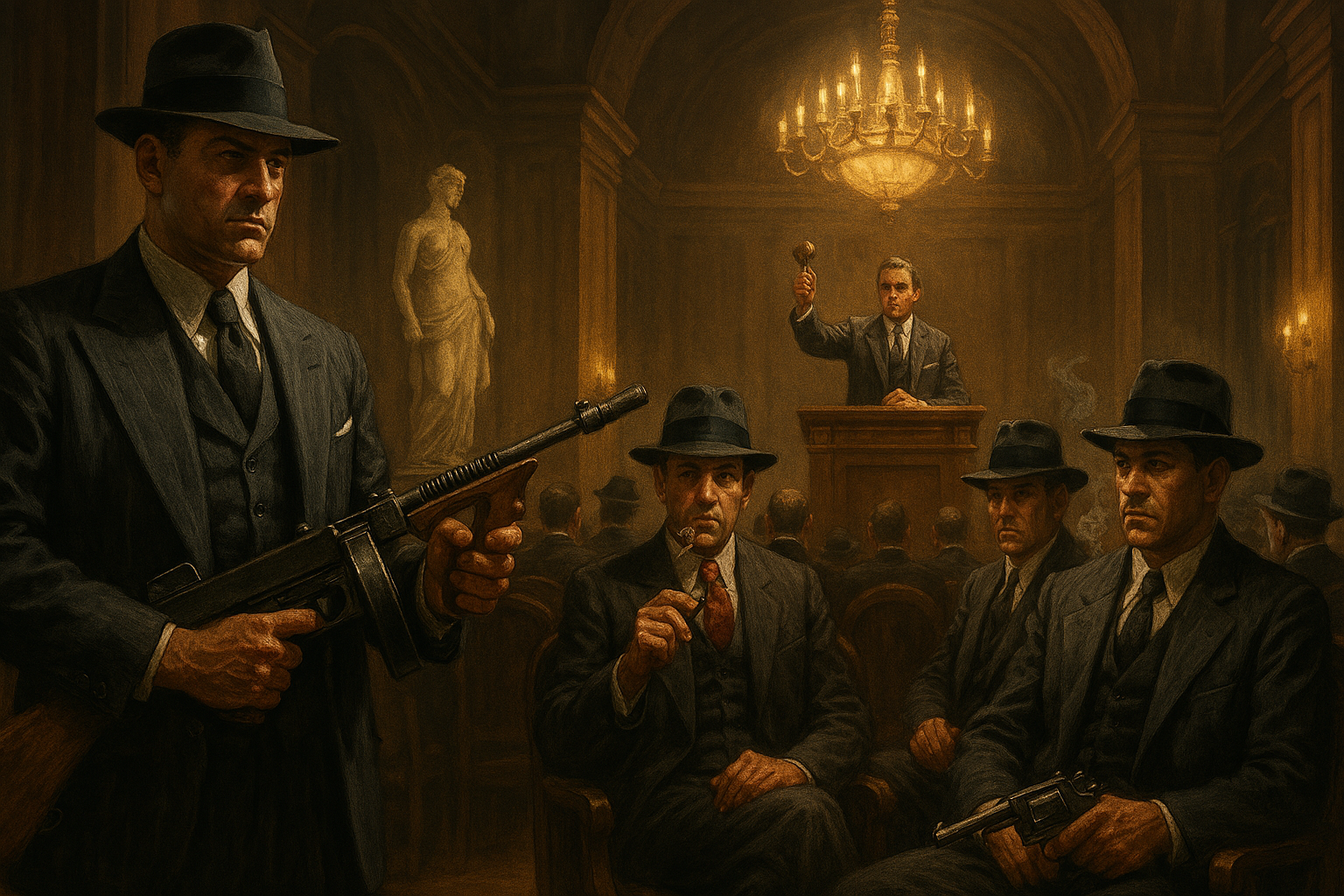
For moving big items, the auction house is the black market's big brother. It is the standard way to sell premium goods — factories, exotic cars and credits — when you want a fair, competitive price rather than a quick under-the-table deal. Learn to read it and you can buy low, sell high and never touch a fixed-price stall again.
Reputation matters on the auction floor. Buyers are more willing to pay for items listed by sellers with a clean history, and sellers who deliver what they promise build the trust that drives repeat business. Treat every listing like a small business deal and your auctions will command better prices over time.
Pro Tips
- Low starting bids attract traffic; let bidders push the price up naturally.
- Never bid past your ceiling — buyout prices exist so you always have an exit.
- Trade factory licences and credits through auction for the fairest market rate.
Pro Tips
- 1.The auction house handles six item types: bullets, girls, cars, bullet factories, energy factories and credits.
- 2.Every listing has a starting bid and a buyout — instant win or a bidding war.
- 3.Outbid bidders get refunded and bid history is tracked, so the house is safe to use.
- 4.Cars list with condition data; check it before you commit.
- 5.Auctions are the black market alternative for moving big items between players.
Related Pages
The black market guide — buying and selling cars, weapons and goods with other players, the player-driven economy, and how to trade like a professional.
The complete car theft guide — the four theft tiers, car categories from low to exotic, the garage system, smuggling capacity and the best value rides in MafiaKill.
The MafiaKill item shop — timed full protection, the hiding (disappear) system, weapon power-ups, gangster recruits for your crew, and credits packages.
Ready to rule the streets?
Join MafiaKill for free and start building your criminal empire today. No download required.
Play Free Now